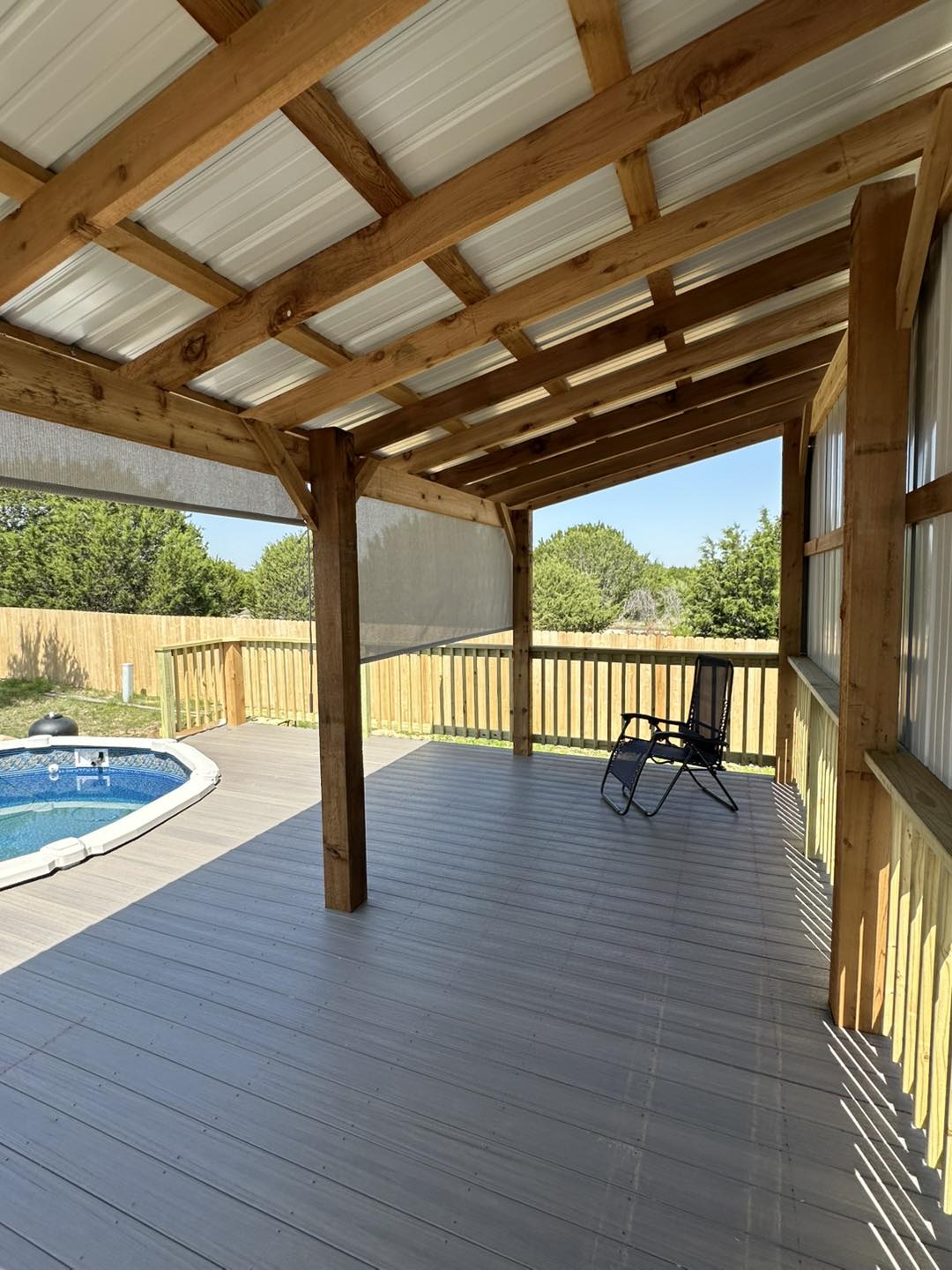
Understanding the Benefits of Composite vs. Wood Decking Materials Apr 05, 2026
Firstly, let's define the materials. Wood decking primarily uses natural lumber, with cedar, redwood, or pressure-treated pine being popular choices due to their natural resistance to insects and rot. Composite decking, on the other hand, comprises a blend of wood fibers and plastic, which provides it distinct advantages over its natural counterparts.
One of the most compelling benefits of composite decking is its low maintenance requirements. Unlike wood, composite materials do not require regular sealing, staining, or painting. This feature is particularly attractive for homeowners who prefer to spend their time enjoying their deck rather than maintaining it. Composite decks are designed to resist fading, staining, scratching, and mold, making them an ideal long-term investment.
In contrast, wood decking offers a timeless charm and natural beauty that many homeowners adore. Its authentic look can add warmth and character to any home. However, wood decks require regular care to maintain their appearance and structural integrity. Tasks such as sealing and staining are necessary every couple of years to protect the wood from moisture damage and ultraviolet rays.
Durability is another factor where composite decking stands out. Composite decks boast a higher resistance to weather, insects, and wear and tear, making them suitable for various climates. Wood decks, while sturdy, can be susceptible to warping, splintering, or rotting if not adequately protected. This makes composite decking a more reliable choice for those living in wetter or more turbulent weather zones.
From an environmental perspective, both materials offer unique benefits. Composite decking often includes recycled materials, contributing to sustainability and reducing the environmental impact. On the other hand, responsibly sourced wood decking can be a renewable resource, reverting back to nature when it reaches the end of its lifespan.
Cost is understandably a significant consideration for many homeowners. While the initial investment for composite decking can be higher than wood, it's essential to consider long-term expenses. The reduced need for maintenance and replacements can make composite decking cost-effective over time. Conversely, wood is generally less expensive upfront but may incur higher maintenance costs.
Finally, aesthetic preference will heavily influence your decision. Composite decking now comes in a wide range of colors and finished textures, some of which mimic the look of natural wood remarkably well. Wood decking remains unmatched in its ability to embody natural beauty, providing differing grains and colors that can complement a variety of home designs.
In conclusion, both composite decking and wood decking have their distinct advantages and potential drawbacks. At Timberline Deck and Patio LLC, we recommend considering your specific needs—maintenance willingness, budget constraints, and design preferences—when deciding between the two. Whatever your choice, a well-built deck can significantly enhance the enjoyment and value of your home, serving as a welcoming outdoor sanctuary for years to come.
/filters:no_upscale()/filters:format(webp)/media/2d0e1856-3d2c-4d65-b179-542c1b31c8eb.jpeg)